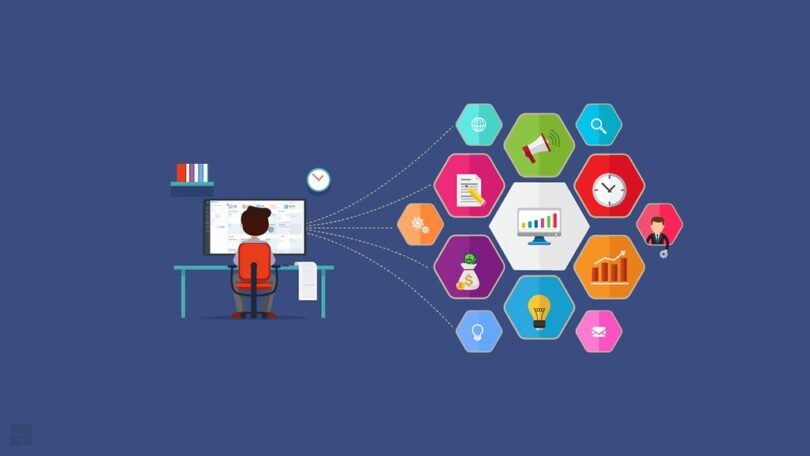
The Power of Data in Healthcare
Business Intelligence (BI) has emerged as a game-changer in the healthcare industry, revolutionizing the way data is collected, analyzed, and utilized to improve patient care, optimize operations, and drive strategic decision-making.
In today’s digital age, data is everywhere. From social media analytics to personalized recommendations on e-commerce websites, data has become the driving force behind decision-making and innovation in various industries. And healthcare is no exception.
What is Business Intelligence?
Business Intelligence refers to the technologies, applications, and practices used to collect, integrate, analyze, and present data to support business decision-making. In the healthcare context, BI leverages data from various sources such as electronic health records (EHRs), patient surveys, clinical trials, and administrative systems to provide insights and drive actionable outcomes.
The Benefits of Business Intelligence in Healthcare
1. Improved Patient Care: BI enables healthcare providers to gain a holistic view of patient data, including medical history, treatment plans, and outcomes. This allows for more accurate diagnoses, personalized treatment plans, and better patient outcomes.
2. Operational Efficiency: BI helps healthcare organizations optimize their operations by identifying bottlenecks, streamlining workflows, and reducing costs. For example, BI can help hospitals optimize bed utilization, reduce wait times, and improve resource allocation.
3. Predictive Analytics: BI tools can analyze historical data and identify patterns and trends to predict future outcomes. This enables healthcare organizations to proactively manage chronic conditions, prevent readmissions, and allocate resources effectively.
Key Challenges and Considerations
While the potential benefits of BI in healthcare are immense, there are several challenges and considerations that need to be addressed:
1. Data Privacy and Security: Healthcare data is highly sensitive and subject to strict privacy regulations. Organizations must ensure that data is securely collected, stored, and accessed to protect patient privacy.
2. Data Integration: Healthcare data is often fragmented and stored in disparate systems. Integrating data from different sources can be complex and time-consuming, requiring robust data governance and interoperability standards.
3. Data Quality and Accuracy: BI relies on accurate and reliable data. Healthcare organizations must invest in data quality initiatives to ensure that the data used for analysis is complete, consistent, and up-to-date.
The Future of Business Intelligence in Healthcare
As technology continues to advance, the future of BI in healthcare looks promising. Here are a few trends to watch out for:
1. Artificial Intelligence (AI) and Machine Learning (ML): AI and ML algorithms can analyze large volumes of healthcare data to identify patterns, predict outcomes, and support clinical decision-making.
2. Real-time Analytics: Real-time analytics allows healthcare providers to monitor patient data in real-time, enabling early detection of abnormalities and timely interventions.
3. Data Visualization: Interactive dashboards and visualizations make it easier for healthcare professionals to interpret and communicate complex data, enabling faster and more informed decision-making.
Conclusion
Business Intelligence is transforming the healthcare industry by harnessing the power of data to drive better patient outcomes, improve operational efficiency, and enable strategic decision-making. While there are challenges to overcome, the future of BI in healthcare holds immense potential for innovation and improved healthcare delivery.